
The host economy for the 2014 Summit was Australia, a country that in that year also held the presidency of the G20. Australia’s presidency set out to support private-sector-led growth and to strengthen the resilience of the world economy, priorities that lined up naturally with the Alliance’s own case for entrepreneurship.
Australia in 2014
Australia brought to the Summit a small, open and highly connected economy, a strong trading tradition with Asia and a well-developed small business sector. Hosting both the G20 and the G20 YEA Summit in the same year gave the country an unusual opportunity to connect the concerns of young founders directly to the official agenda.
For delegates arriving from nineteen countries and the European Union, the week was also a chance to see how one host economy organises support for start-ups, from access to capital through to education and regulation.
Sydney, the host city
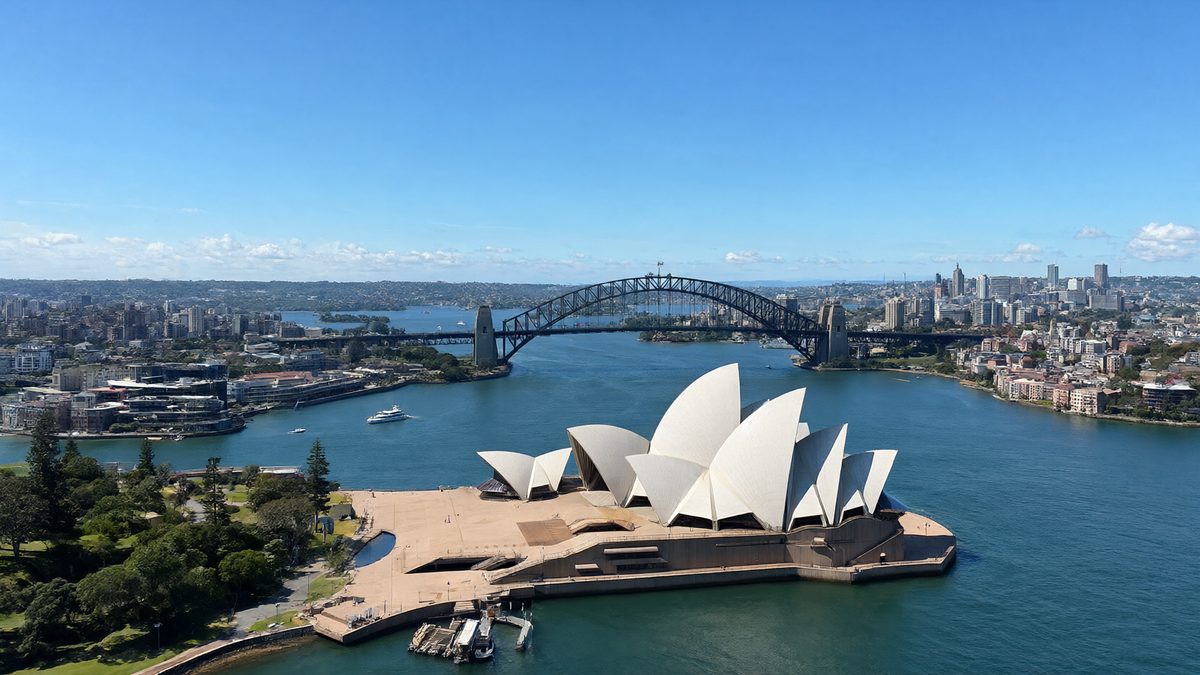
Sydney is the capital of New South Wales and the most populous city in Australia, built around one of the world’s largest and most beautiful natural harbours. Home to more than four million people, it is a friendly and relaxed cosmopolitan city with a subtropical climate and world-class beaches.
Sydney’s landmarks are known around the world. The Opera House, with its iconic sail design, and the Harbour Bridge dominate Circular Quay, while the Rocks, the site of the original European settlement, sits a short stroll away and hosts busy markets. Delegates with time to explore found national parks and bushland within easy reach, along with excursions to the Blue Mountains and the Hunter Valley to the west and north of the city.
Getting to Sydney
Reaching the city is straightforward. Sydney’s Kingsford Smith Airport has regular flights to destinations worldwide and sits approximately ten kilometres from the Summit venue. A taxi from the airport into the city centre takes roughly twenty-five to thirty minutes and costs around thirty-five Australian dollars, and shuttle bus services collect passengers from the ground transport areas at both the domestic and international terminals.
Getting around the city
Excellent train, bus and ferry services extend throughout Sydney, New South Wales and the rest of Australia. St James station is the closest city rail station to the venue, about two hundred metres away and a five-minute walk, and it connects to the wider rail network. The table below summarises the main travel options.
| Mode | Detail |
|---|---|
| Plane | Kingsford Smith Airport, about 10 km from the venue; taxi around 35 AUD and 25 to 30 minutes |
| Train | St James station is about 200 m, a 5-minute walk, from the venue |
| Bus | City and interstate coach services connect Sydney with New South Wales and beyond |
| Ferry | Harbour ferry services link the city with suburbs around the harbour |
Where delegates stayed
Delegates were encouraged to stay at the Sheraton on the Park, the Summit venue and the official delegate village. The hotel sits opposite Hyde Park, a tree-lined oasis in the heart of the city, and offers views over the park, St Mary’s Cathedral and the harbour. With 557 guest rooms including 48 suites, a rooftop health club, an indoor heated pool and a spa, it gave delegates a single place to meet, work and rest without long journeys between sessions.
Why Sydney suited the Summit
Sydney offered the Summit a compact, walkable centre in which the venue, the delegate hotel and the city’s attractions sat within easy reach of one another. For a programme that mixed long working sessions with short breaks and evening functions, that geography mattered: delegates could move between rooms, restaurants and the harbour without losing time to travel.
The city also brought a particular relevance to the theme of private-sector-led growth. Sydney is a hub for start-ups, professional services and international business in the Asia-Pacific region, and many of the organisations represented at the Summit already operated from the city. Hosting the event there allowed delegates to see, rather than simply discuss, an economy built on openness, trade and entrepreneurship.
Exploring New South Wales
The programme left room for delegates to see more of the host economy. The most popular outings combined the harbour and beaches with the natural landscapes surrounding the city:
- Bondi and Manly beaches, a must for many visitors
- The Opera House and Harbour Bridge at Circular Quay
- The Rocks, the historic heart of the original settlement
- Day trips to the Blue Mountains to the west
- Wine and countryside excursions to the Hunter Valley to the north
Between the sessions and the city around them, delegates left Sydney with a clear sense of the economy that had hosted the fifth Summit, and of the environment in which its young entrepreneurs were building their businesses.
Summit 2014
Sydney, Australia
18–22 July 2014
Sheraton on the Park